
The Best Drones for Film, TV and Commercials 2026: What a Professional Drone Operator Flies
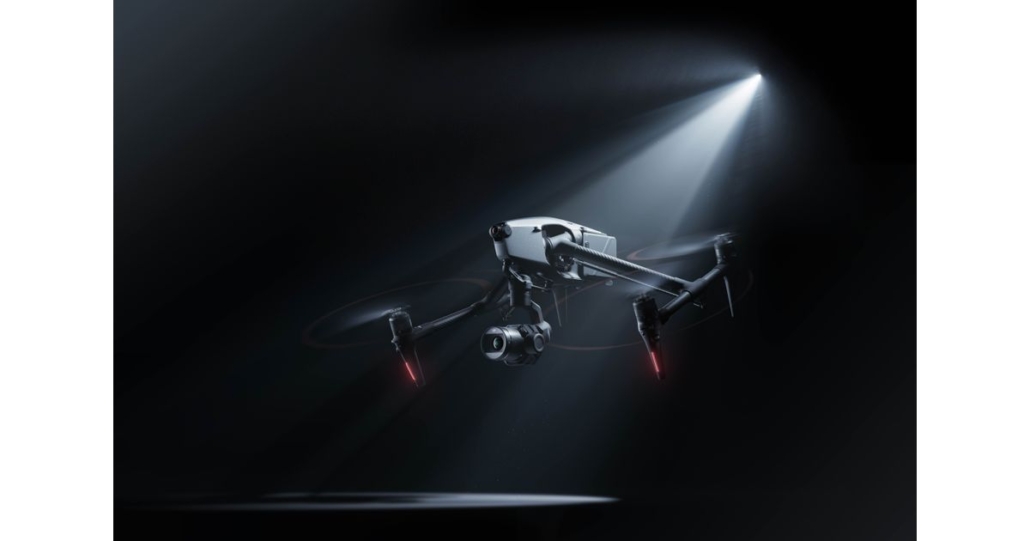
Which drone fits which shoot? Jochen Riehm has been flying drones for cinema, TV, commercials and automotive since 2009. This is his ranking for film productions and agencies: five drones he uses on set himself, and what each one is the right choice for.
As of November 2026. Technical data comes from the manufacturers, the assessments from our own work on set.
The best drones for film productions at a glance
| Rank | Drone | Best for |
|---|---|---|
| 1 | DJI Inspire 3 | Cinema, TV and high-end commercials |
| 2 | DJI Mavic 4 Pro | The all-rounder for fast, flexible shoots |
| 3 | Freefly Alta X | Heavy payloads: large cameras and drone lighting |
| 4 | FPV drones by iFlight | Chase flights, fly-throughs, action |
| 5 | DJI Avata 2 | Interiors and flights close to the subject |
Rank 1: DJI Inspire 3 – the drone for cinema and TV
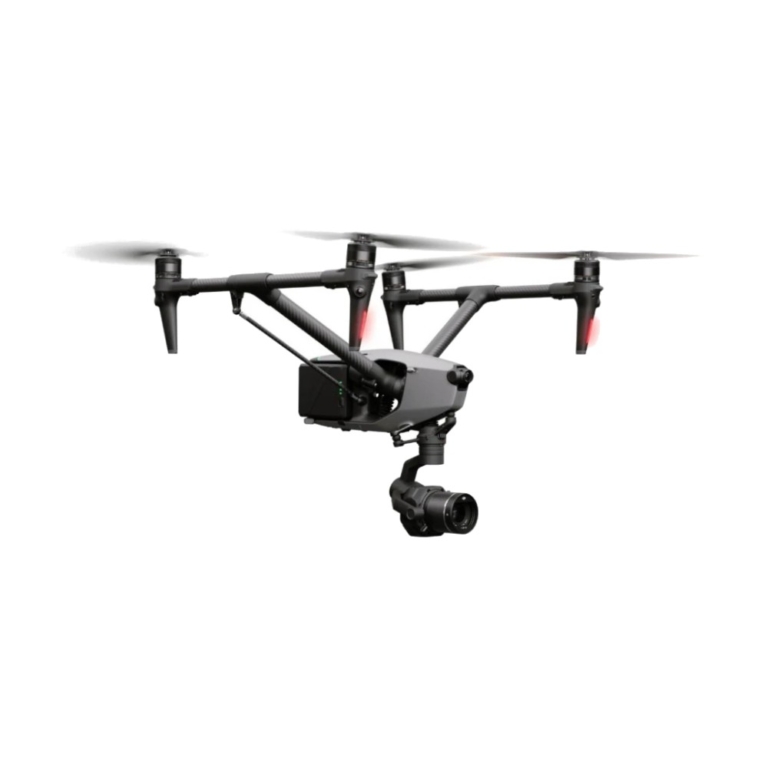 For: feature films, series, TV commercials, automotive advertising
- Camera: Zenmuse X9-8K Air, full frame, interchangeable lenses
- Video: 8K, CinemaDNG and Apple ProRes RAW
- Dual-operator mode: the pilot flies, a camera operator controls framing, focus and iris
- Flight time: up to 28 minutes, battery swap without restart
- Weight: approx. 4 kg
Assessment: For cinema and TV, the Inspire 3 is our first choice. The reason is less the spec sheet than the way of working: with separate controls for flight and camera, the drone works like a camera platform in the air. The camera operator delivers what director and DoP want to see on the monitor while the pilot concentrates on the flight path. Add a full-frame sensor with RAW recording that sits next to the main camera in the grade. With the RTK station we fly repeatable paths, for example for several takes with the same move. VR-Copter has two Inspire 3 ready, plus a Racing Inspire 3 as a special build for fast car-to-car filming.
Rank 2: DJI Mavic 4 Pro – the all-rounder
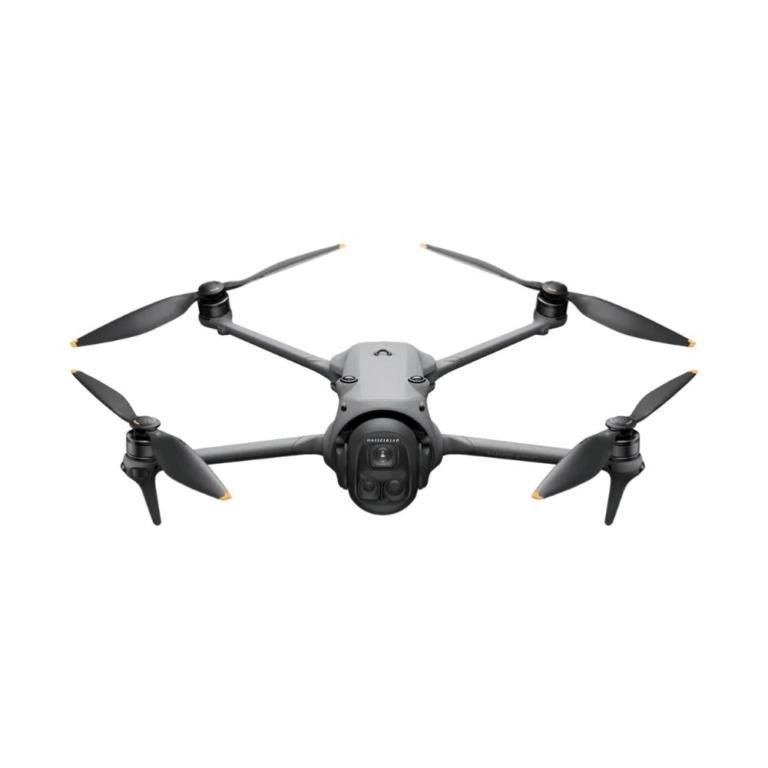 For: commercials, documentaries, social media, stills, tight time windows
- Cameras: Hasselblad 4/3-inch (100 MP, 28 mm), 70 mm tele (48 MP), 168 mm tele (50 MP)
- Video: 6K up to 60 fps, 4K up to 120 fps
- Flight time: up to 51 minutes
- Weight: 1,063 g, EU class C2
Assessment: The Mavic 4 Pro is in the air within two minutes and fits into a backpack. Three focal lengths from wide angle to 168 mm, a large sensor and the long flight time make it the drone for everything that has to happen fast: establishing shots, a second angle next to the Inspire, aerials for the stills production. For many commercial and documentary shoots it is enough on its own. The Inspire is needed as soon as interchangeable lenses, RAW or a dedicated camera operator are required. More on the DJI Mavic 4 Pro.
Rank 3: Freefly Alta X – when it gets heavy
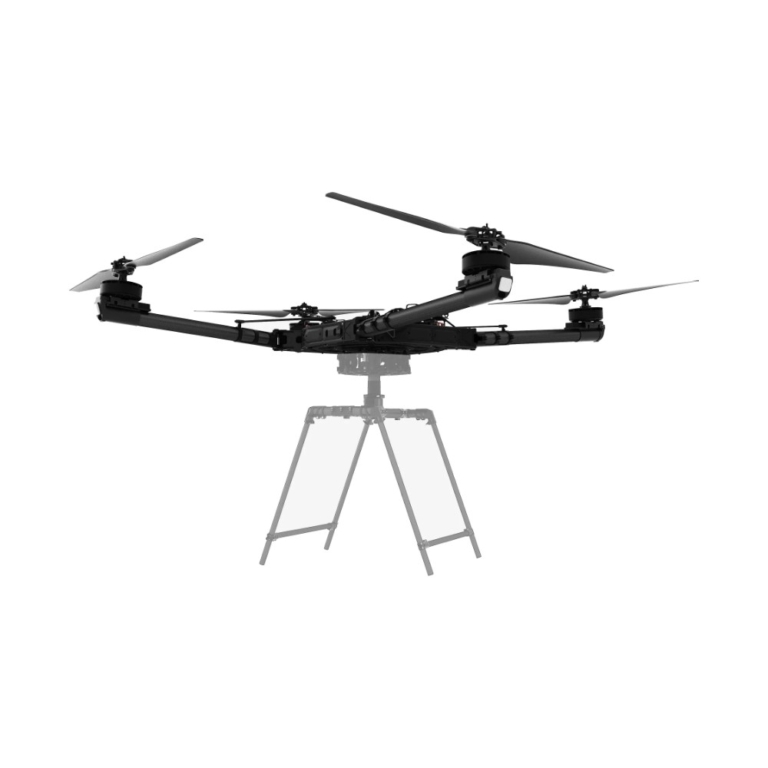 For: large cinema cameras, special builds, light from the air
- Design: heavy-lift quadcopter, up to 15 kg payload
- Camera: gimbal and camera as the production requires
- Use at VR-Copter: mainly as a light drone with LED arrays
- Operation: always as a team, with dedicated planning for take-off site and airspace
Assessment: The Alta X carries what no compact drone can lift. With us it mostly carries light: LED arrays that light a scene from above at night, where no crane and no cherry picker can reach. Anyone who wants to fly a specific cinema camera with their own lenses also ends up in this class. For many productions, however, the Inspire 3 with its full-frame camera is enough and means far less effort for permits and logistics. More on the drone lighting page.
Rank 4: FPV drones by iFlight – speed and proximity
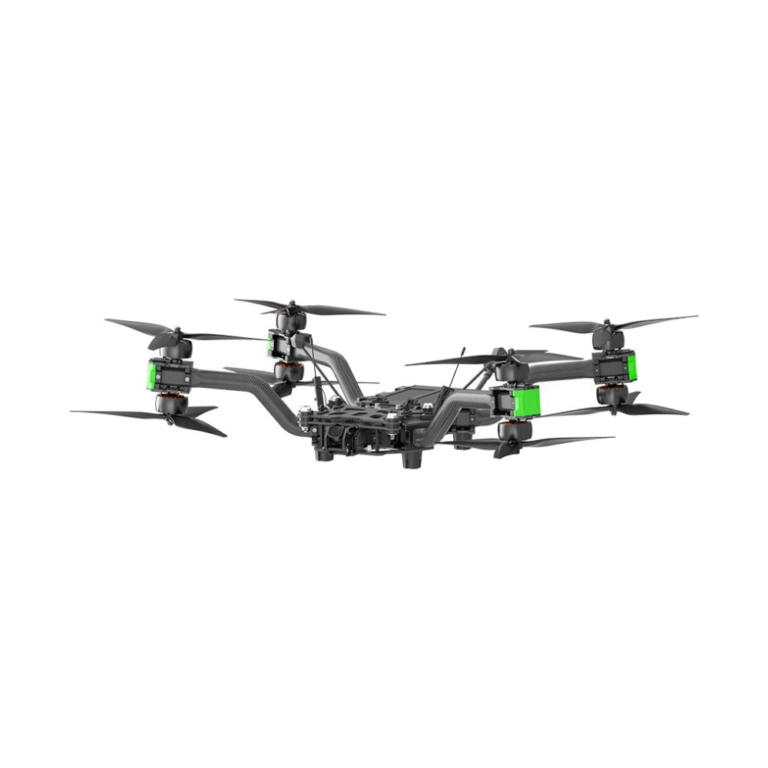 For: automotive, sports, chase flights, fly-throughs of buildings and vehicles
- Models at VR-Copter: iFlight Nazgul Evoque F5 V3 (5-inch) and iFlight Taurus X8 cinelifter with eight motors
- Control: manual via video goggles, without assistance systems
- Camera: action camera on the 5-inch drone, larger cameras on the cinelifter
- Strength: high acceleration, tight turns, flights right next to the subject
Assessment: FPV delivers images no stabilised camera drone can: following the car through the bend, flying through an open window, going from detail to wide shot in one move. The image is rawer than with the Inspire, but the movement is free. FPV is manual work and a question of the pilot, not the technology. More on the page FPV drone for automotive and film.
Rank 5: DJI Avata 2 – close to the subject and indoors
 For: indoor flights, events, walk-throughs, flights near people
- Design: cinewhoop with propeller guard
- Camera: 1/1.3-inch sensor, 4K up to 60 fps
- Flight time: approx. 23 minutes
- Weight: approx. 377 g
Assessment: Small, quiet and with protected propellers: the Avata 2 flies where a larger FPV drone would be too risky, for example through museums, factory halls or across a stage. For one continuous flight from the entrance to the last room, it is the right tool.
Which drone for which shoot?
- Feature film, series, TV commercial: Inspire 3 with pilot and camera operator.
- Commercials and corporate films on a tight schedule: Mavic 4 Pro, in addition to the Inspire if needed.
- Car-to-car filming: Inspire 3 for the calm images, FPV for the dynamic ones.
- Night shoot with light from above: Alta X as a light drone.
- Interiors and events: Avata 2.
Often it is a combination. Which drone fits depends on the image the director wants, not on the spec sheet.
What VR-Copter flies
All drones on this list come from our own inventory: two DJI Inspire 3 with full-frame camera and DL lenses, a Racing Inspire 3 as a special build, two Mavic 4 Pro, plus Mavic 3 Cine and Mavic 3 Pro Cine with Apple ProRes, the Freefly Alta X and a DJI S1000 as light drones, the DJI Avata 2 and the FPV drones iFlight Nazgul Evoque F5 V3 and iFlight Taurus X8 cinelifter. The complete kit is listed on the equipment page.
Frequently asked questions
Which drone is the best for cinema and TV?
The DJI Inspire 3. It records 8K RAW on a full-frame sensor, works with interchangeable lenses and can be operated by two people: the pilot flies, the camera operator controls the image.
Is a Mavic 4 Pro enough for a commercial?
Often yes. The Mavic 4 Pro delivers 6K with three focal lengths and is ready very quickly. As soon as interchangeable lenses, RAW recording or a dedicated camera operator are required, the Inspire 3 is the better choice.
When do you need an FPV drone?
When the camera has to follow the subject very closely and very fast: for car-to-car filming, in sports or for fly-throughs of buildings. FPV drones are flown manually via video goggles.
What is a heavy-lift drone like the Alta X used for?
For payloads compact drones cannot carry: large cinema cameras, special builds or light. The Freefly Alta X carries up to 15 kg. VR-Copter uses it mainly as a light drone with LED arrays.
What does a drone shoot with VR-Copter cost?
A shooting day with a drone team starts at €1,300 net, with Inspire 3 and cinema setup at €2,400 net, as a combination of drone, FPV and car-to-car at €3,900 net – each including pilot, equipment, insurance and permit coordination.
Read more
- Drone filming for film and TV
- FPV drone for automotive and film
- Drone and car-to-car for automotive
- Equipment: drones, cameras and lenses
- All projects
Request drone filming from a professional
Phone +49 151 22840959 · info@vr-copter.de

